
Not sure which instrument is right for you? Learn more about each instrument below. // ¿No estás seguro de qué instrumento es el adecuado para ti? Obtén más información sobre cada instrumento a continuación.
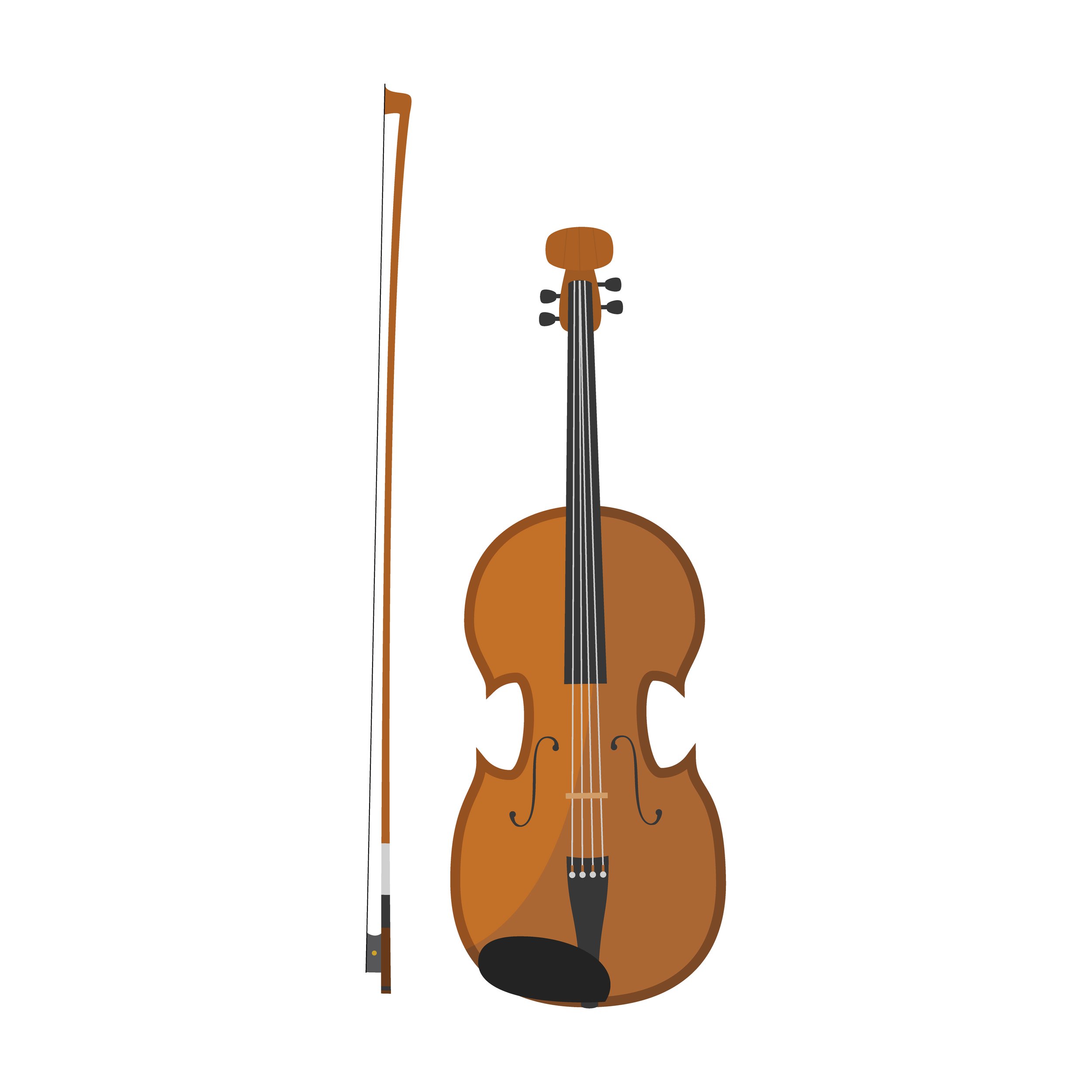
The highest voice in the string family. This instrument can be played bowed or plucked and often carries the melody in the orchestra. // VIOLÍN: La voz más aguda de la familia de las cuerdas. Este instrumento se puede tocar con arco o pulsando las cuerdas, y a menudo lleva la melodía de la orquesta.
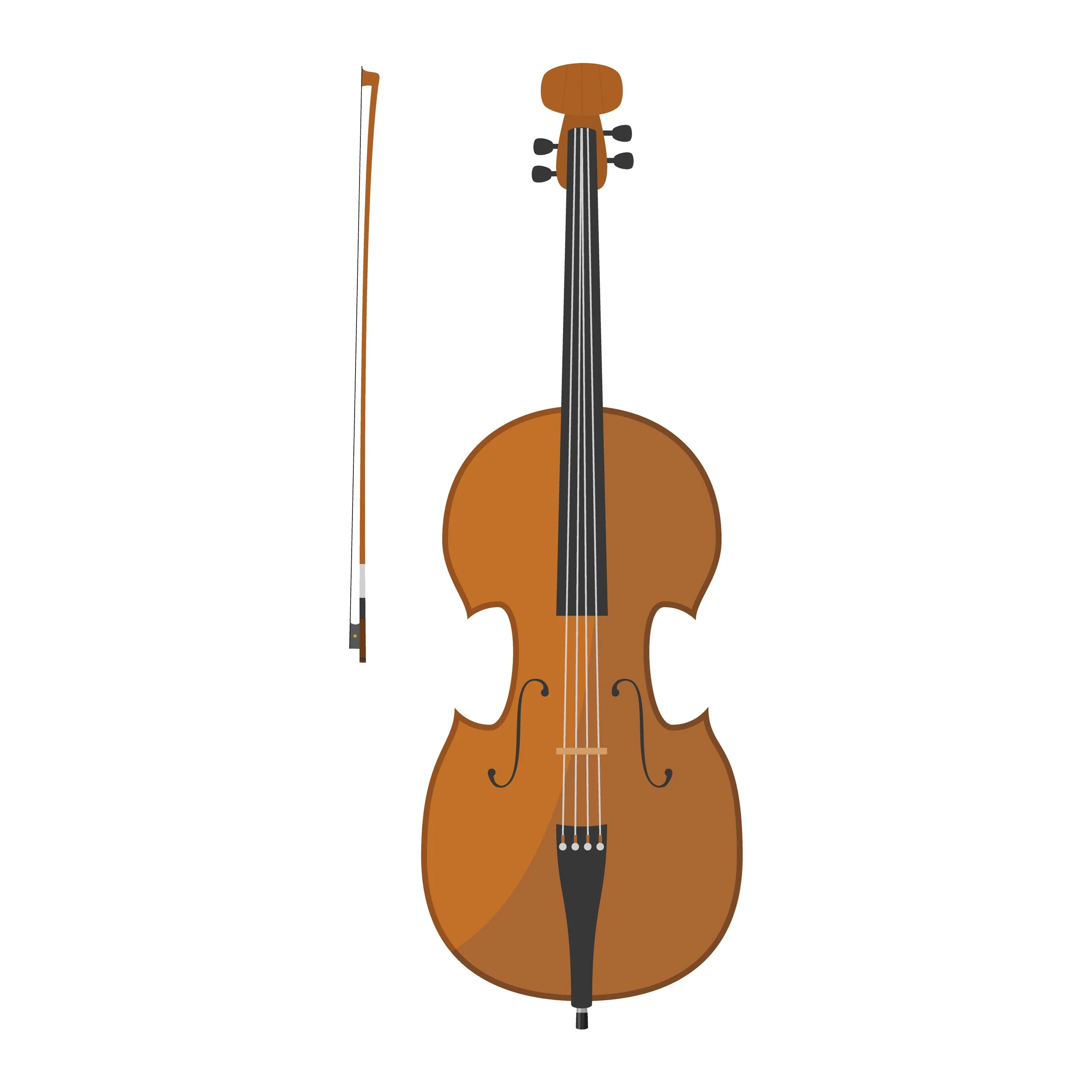
VIOLA: Slightly larger and lower-sounding than the violin, the viola brings warmth and depth to the sound of the orchestra. // VIOLA: Un poco más grande y de sonido más grave que el violín, la viola aporta calidez y profundidad al sonido de la orquesta.
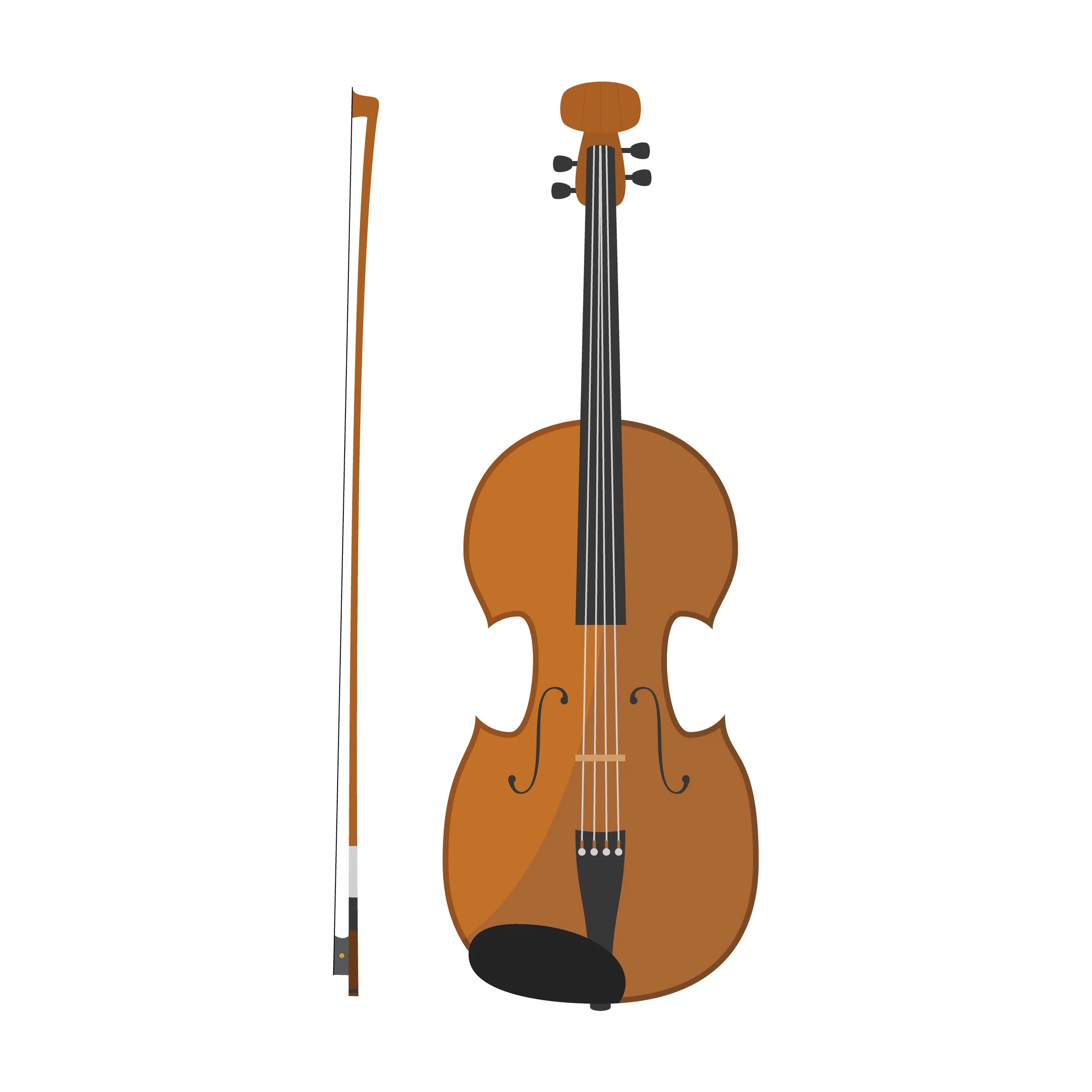
CELLO: Always played sitting down, the cello’s mellow sound and ability to play high and low notes makes it popular with ensemble and solo players. // VIOLONCHELO: Se toca siempre sentado. El sonido suave del violonchelo y su capacidad para tocar notas agudas y graves lo hacen popular entre los músicos de conjuntos y solistas.
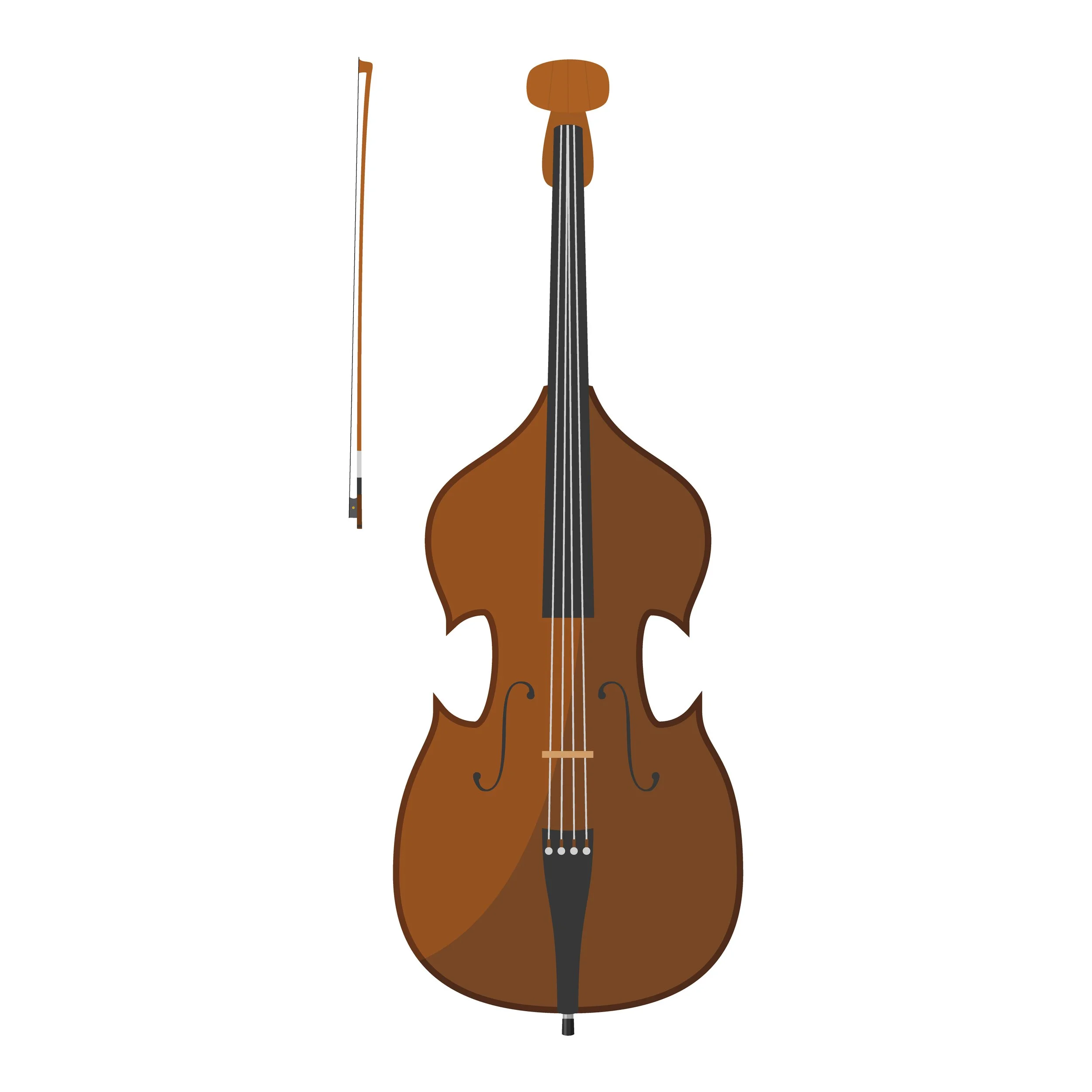
BASS: Larger than the person who plays it, the double bass provides the foundation for the orchestra. It also plays in almost every genre of music. // CONTRABAJO: Más grande que la persona que lo toca, el contrabajo proporciona la base de la orquesta. También se utiliza en casi todos los géneros musicales.
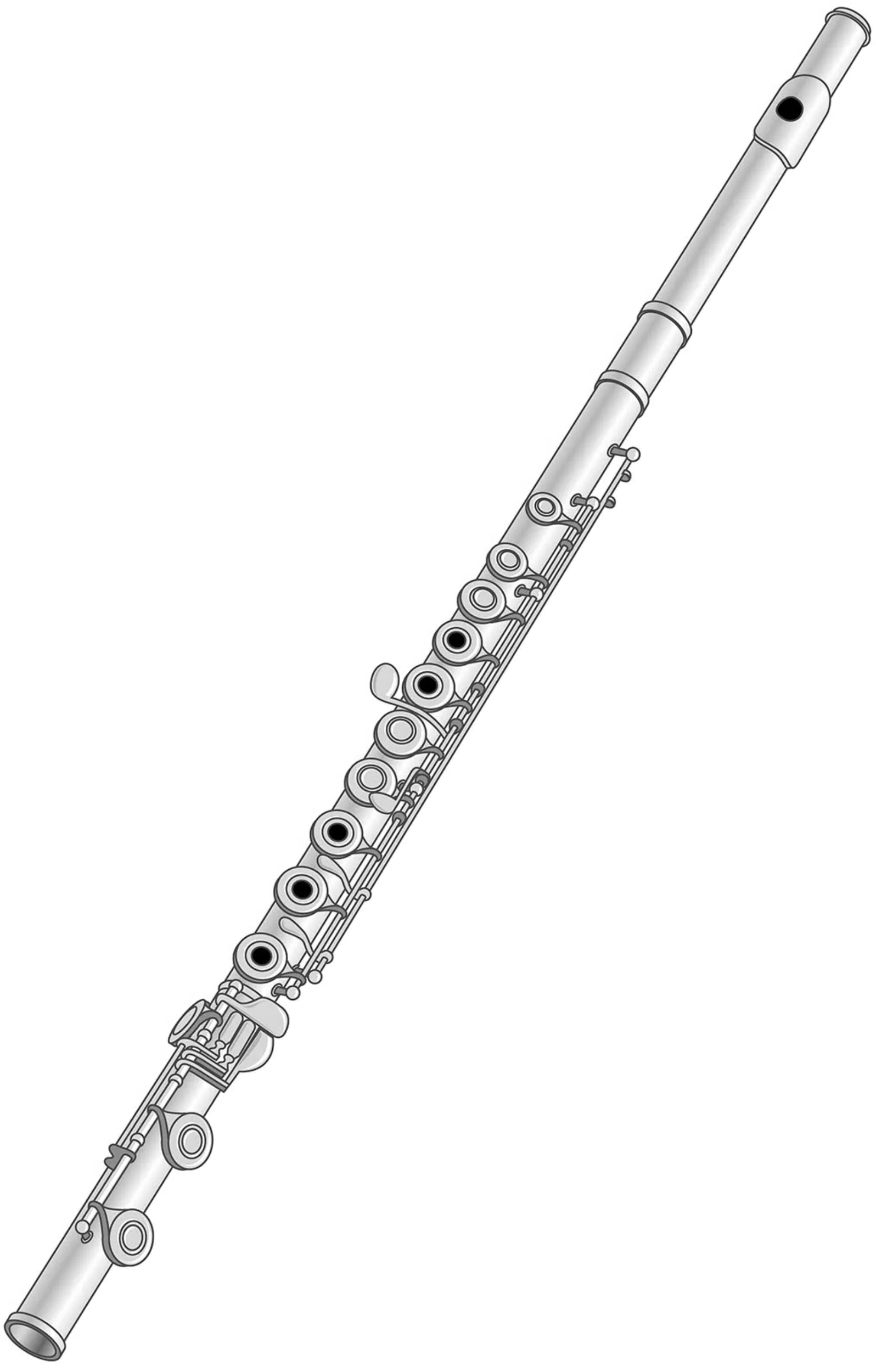
FLUTE: Highly portable and highly popular, the flute often plays solo melodies in the orchestra. // FLAUTA: Muy fácil de transportar y muy popular, la flauta suele interpretar melodías como solista dentro de la orquesta.
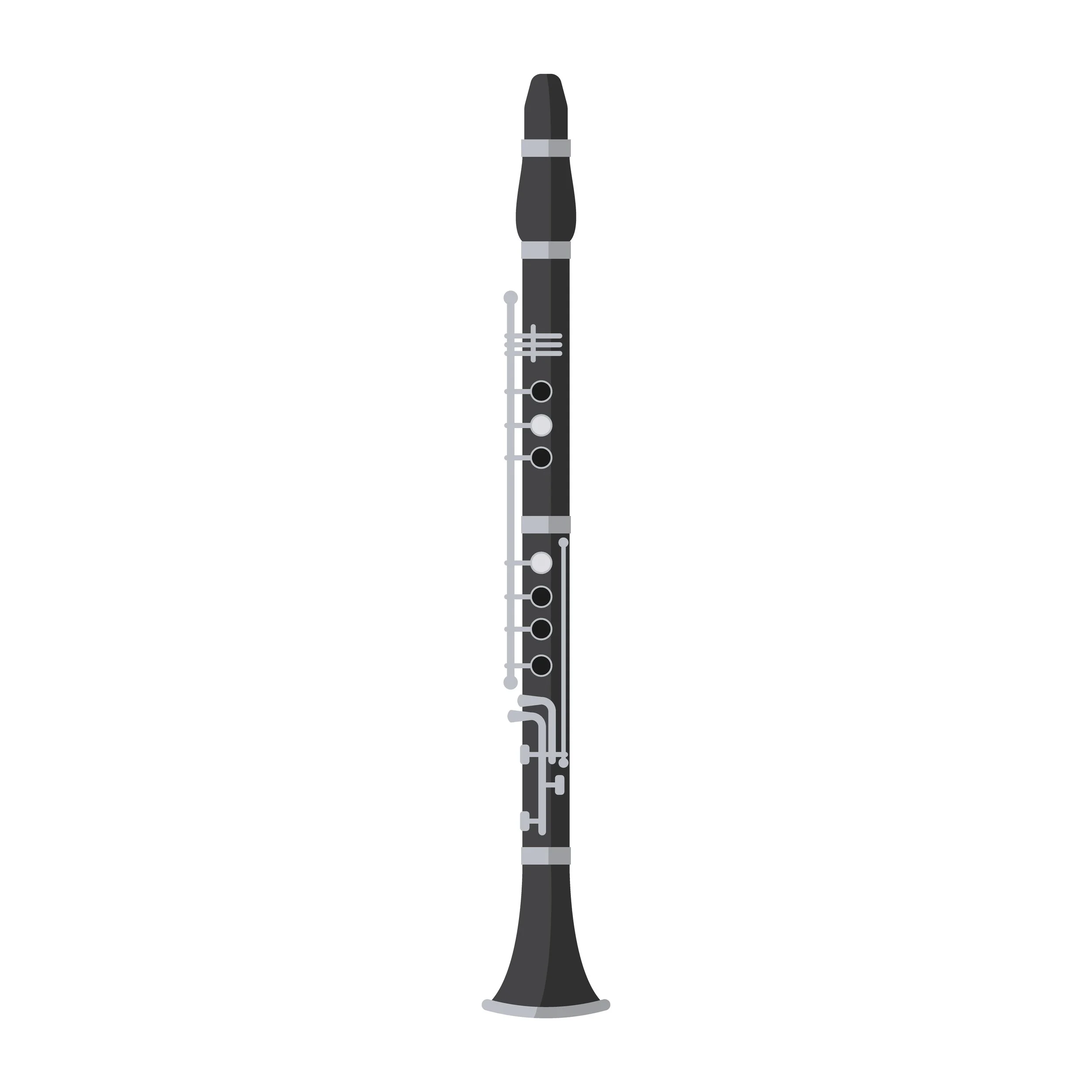
CLARINET: With a wide range of low and high notes at its disposal, the clarinet’s warm reedy sound makes it popular with players and audiences alike. // CLARINETE: Con una amplia variedad de notas graves y agudas a su disposición, el sonido cálido y de caña del clarinete lo hace popular tanto entre los músicos como entre el público.
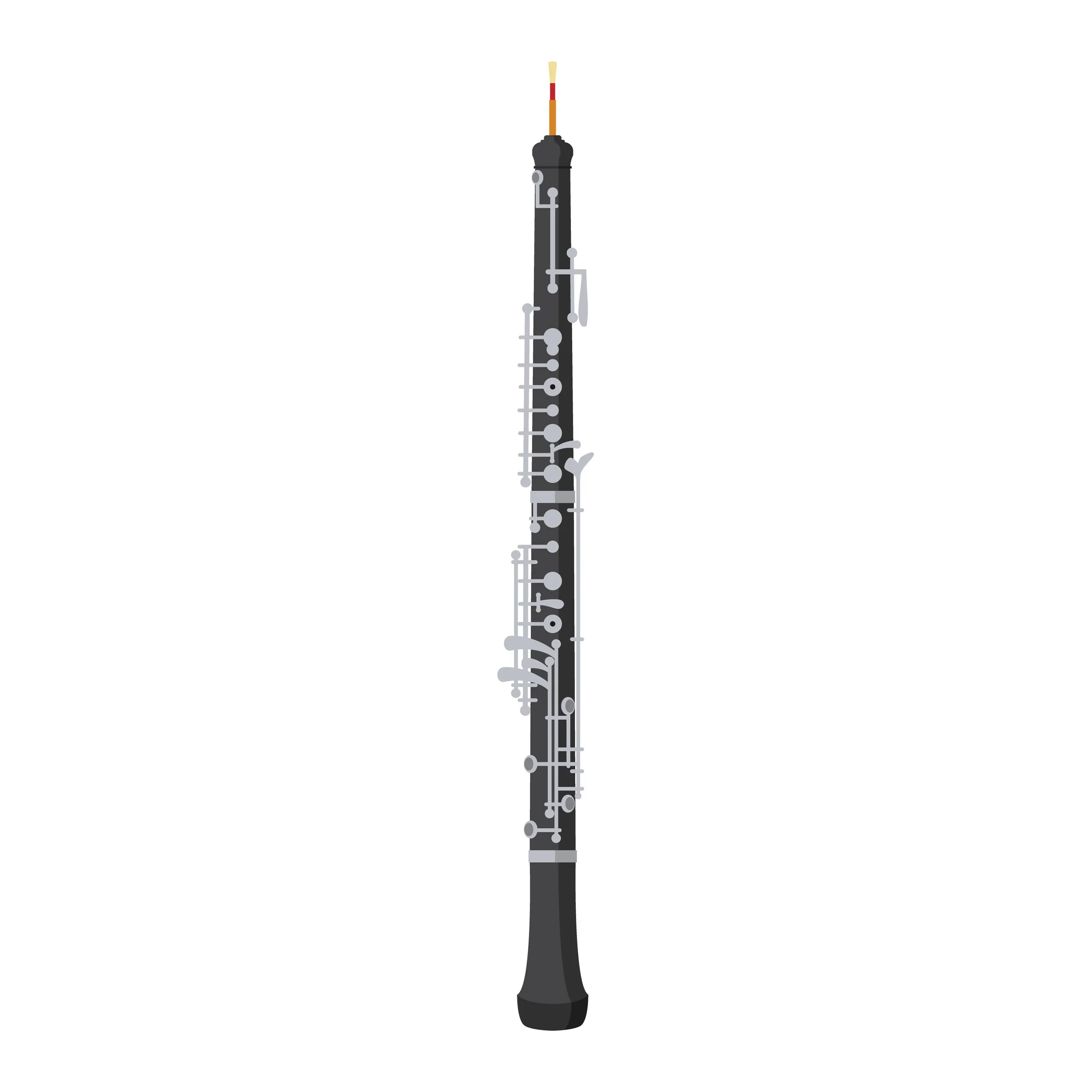
OBOE: This double reed woodwind instrument famously produces an extremely clear tone, free from the bumps and wiggles. For this reason, the whole orchestra tunes to its notes. // OBOE: Este instrumento de viento-madera de doble lengüeta produce, de manera famosa, un tono extremadamente claro, sin irregularidades ni ondulaciones. Por esta razón, toda la orquesta afina tomando como referencia sus notas.
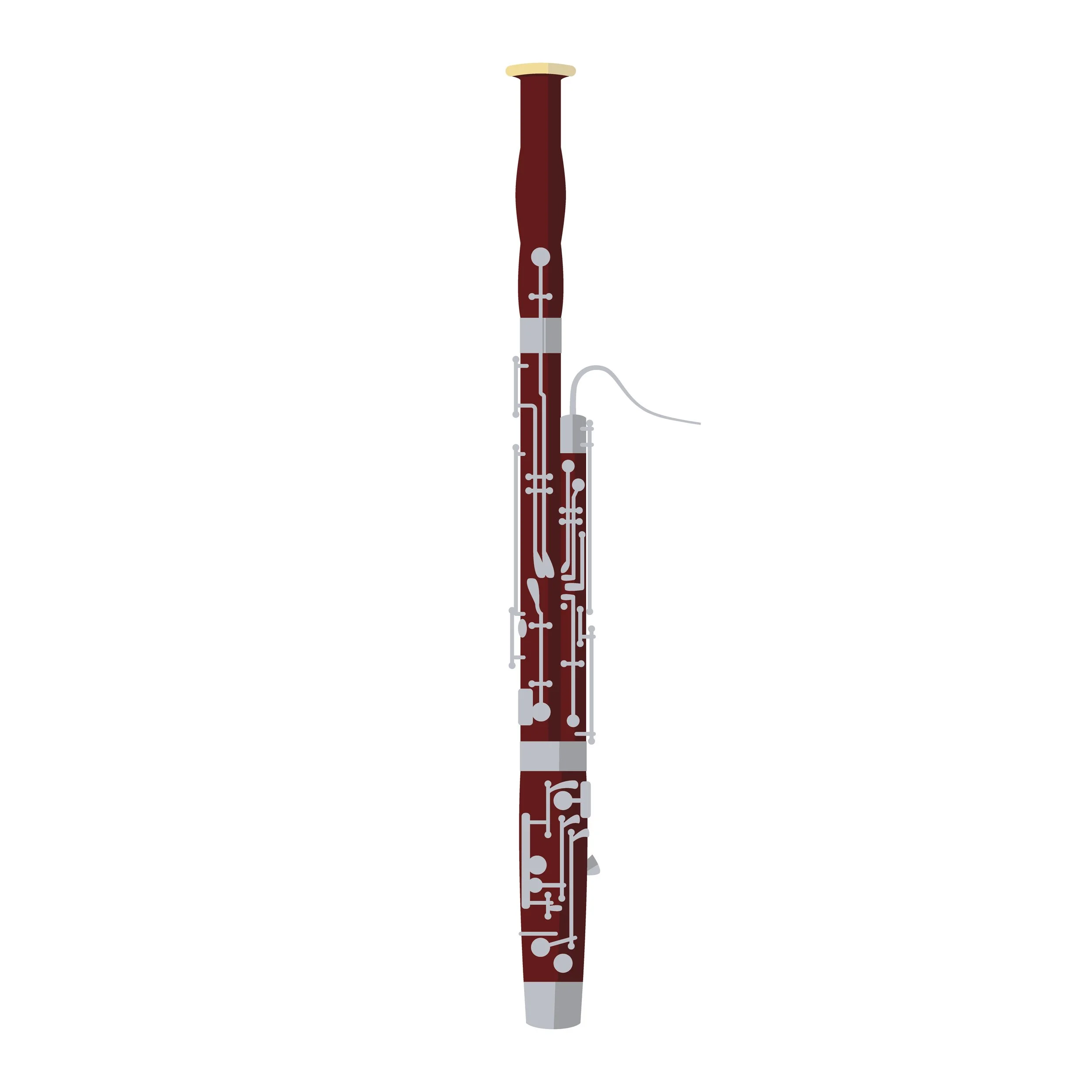
BASSOON: The distinctive woody sound of the bassoon stands out whenever it plays. Composers often choose it when they want to portray a strange or funny personality. // FAGOT: El característico sonido de madera del fagot destaca cada vez que toca. Los compositores suelen elegirlo cuando quieren representar una personalidad extraña o divertida.
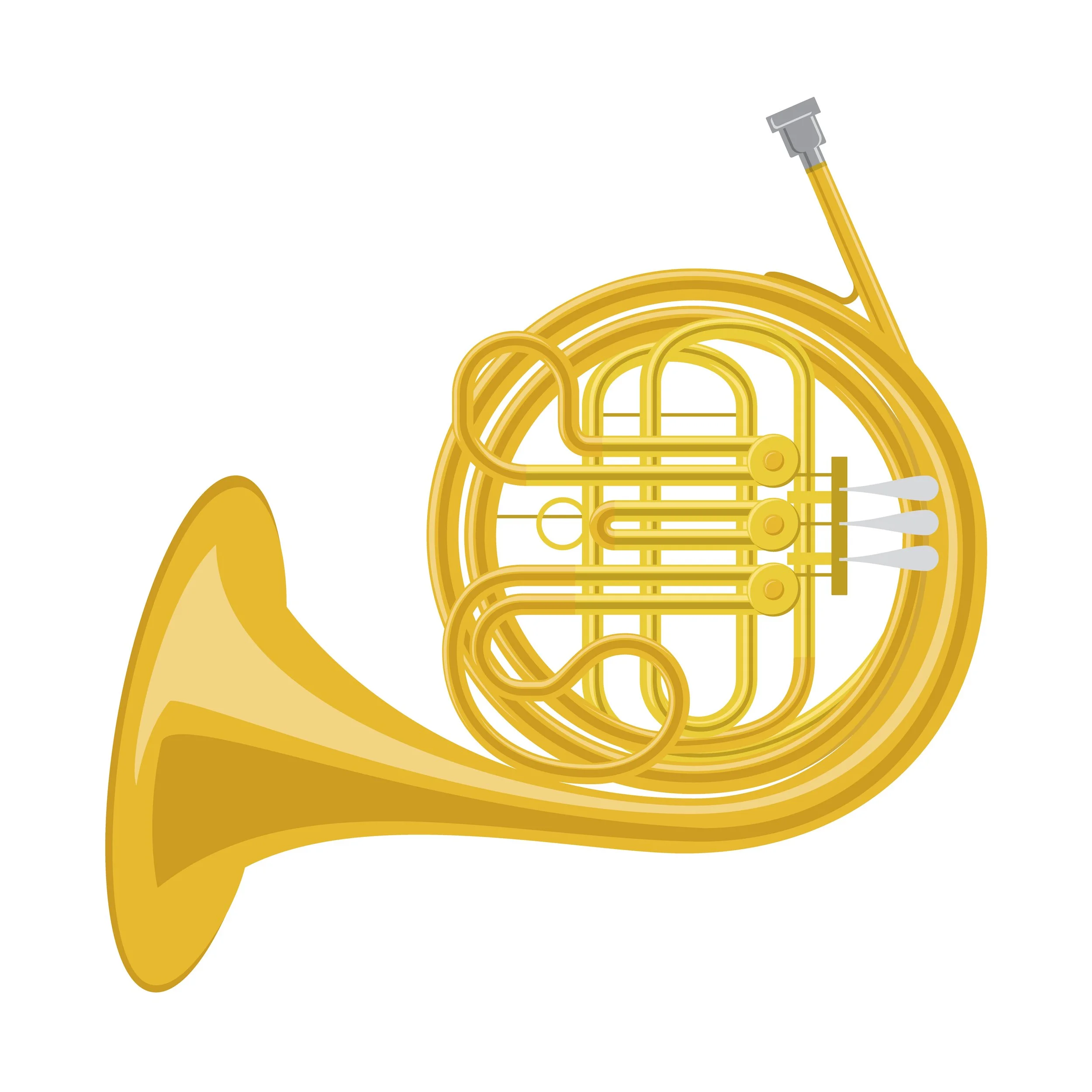
HORN: The French horn plays in a medium-high range with a warm, bright tone. Its ability to produce a strong, full sound makes it ideal for portraying bold action, struggle and triumph. // CORNO FRANCÉS: El corno francés toca en un registro medio-agudo con un tono cálido y brillante. Su capacidad para producir un sonido fuerte y lleno lo hace ideal para representar acciones audaces, lucha y triunfo.
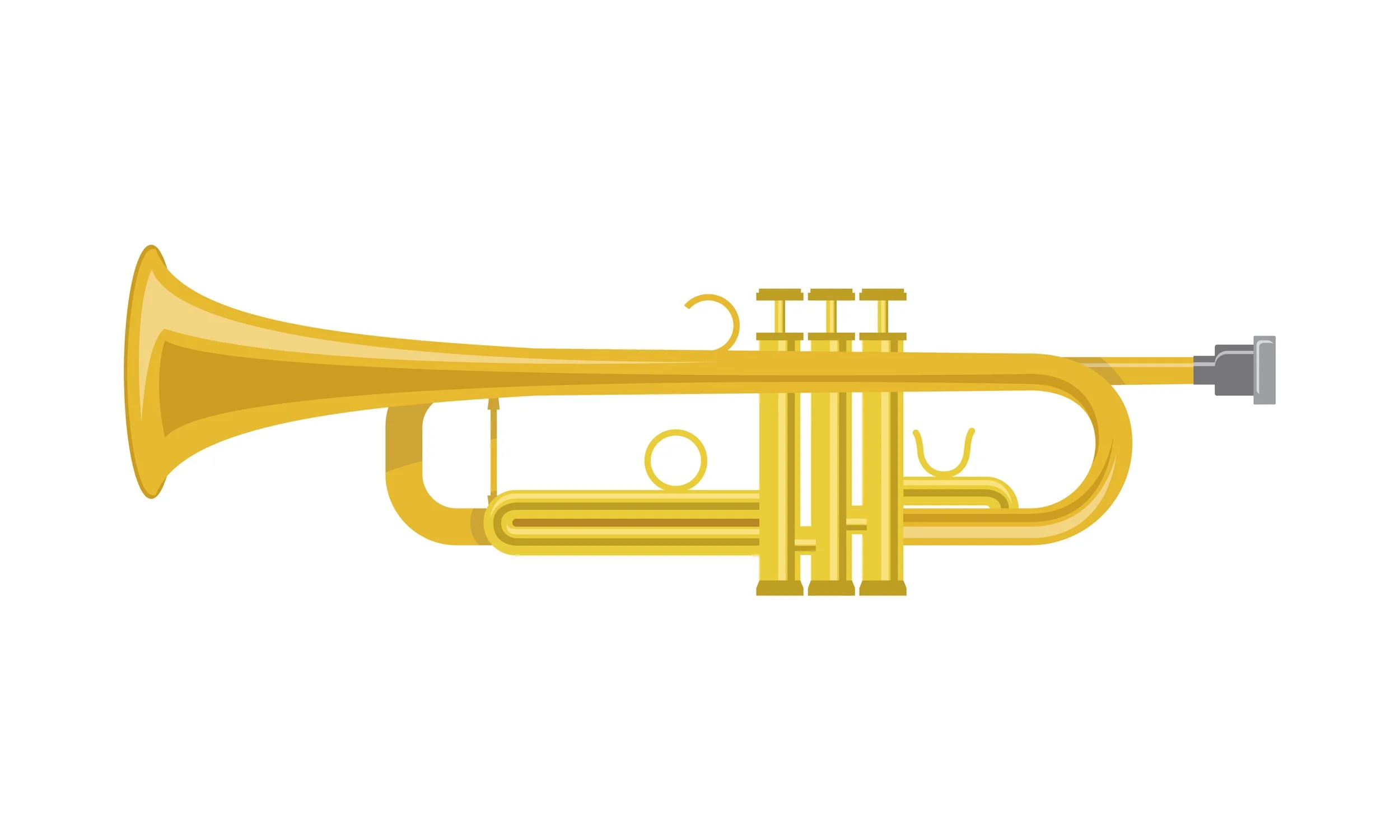
TRUMPET: The trumpet makes the highest sounds in the brass family and is famous for playing inspiring fanfares and bombastic melodies. // TROMPETA: La trompeta produce los sonidos más agudos de la familia de los metales y es famosa por interpretar fanfarrias inspiradoras y melodías grandiosas.
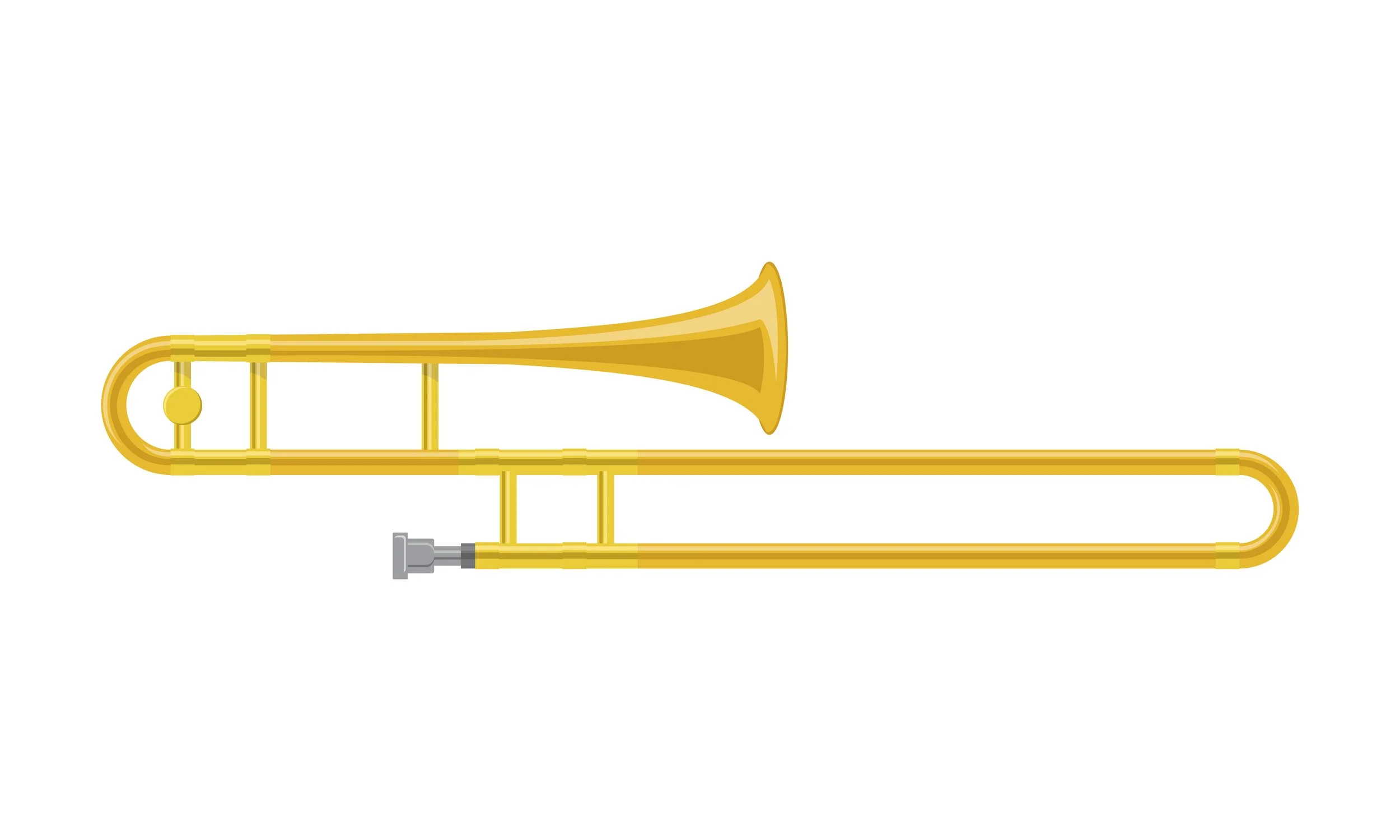
TROMBONE: An important low voice, the trombone uses a slide to help the player change notes. This slide gives the trombone a lot of opportunities to be the jokester of the orchestra. // TROMBÓN: Como instrumento de registro grave e importante, el trombón utiliza una vara deslizante que ayuda al músico a cambiar de nota. Esta vara le da al trombón muchas oportunidades para ser el bromista de la orquesta.
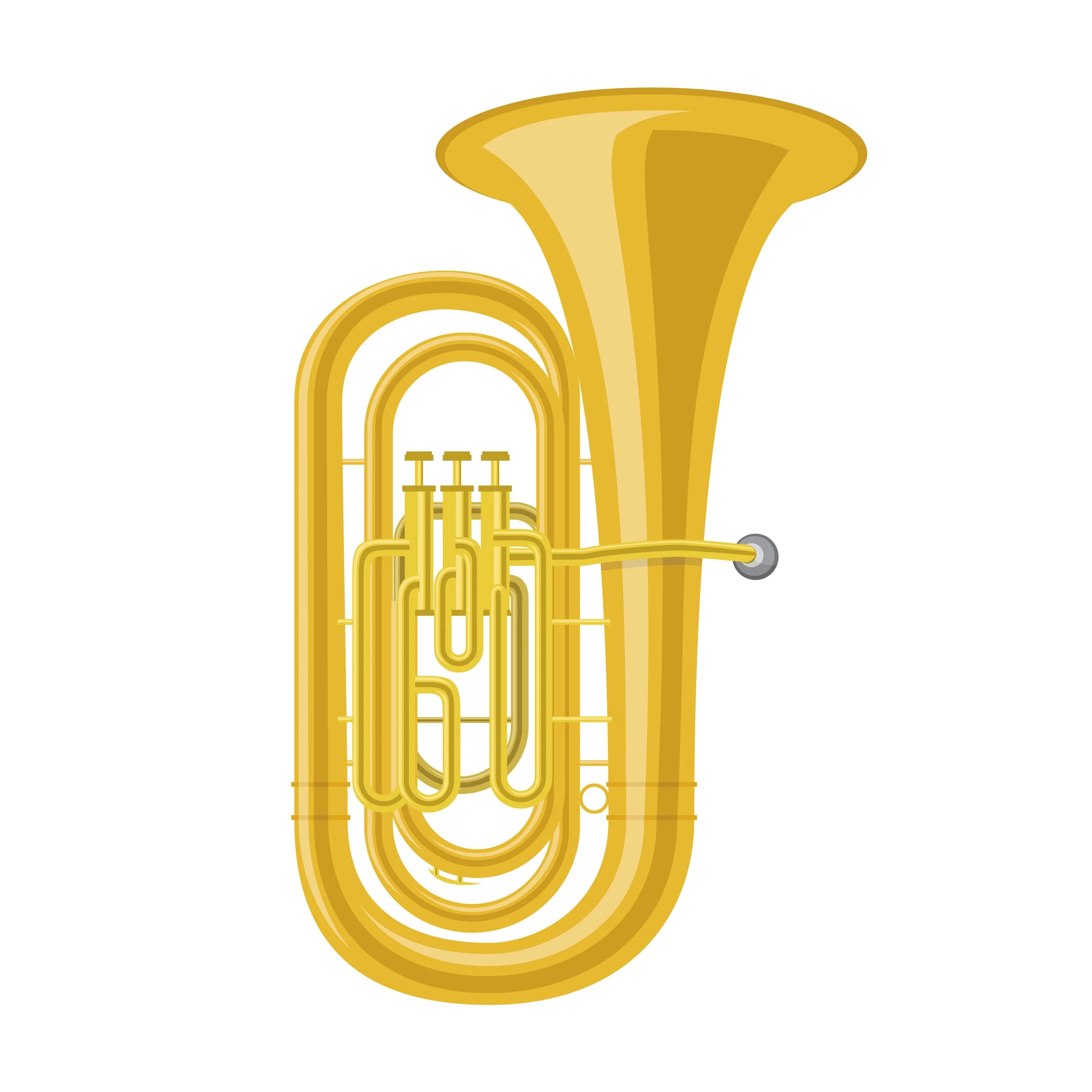
TUBA: The tuba is one of the lowest-sounding instruments in the whole orchestra. Although the tuba doesn’t play many notes, every note it plays is vital. // TUBA: La tuba es uno de los instrumentos de sonido más grave de toda la orquesta. Aunque la tuba no toca muchas notas, cada nota que toca es fundamental.
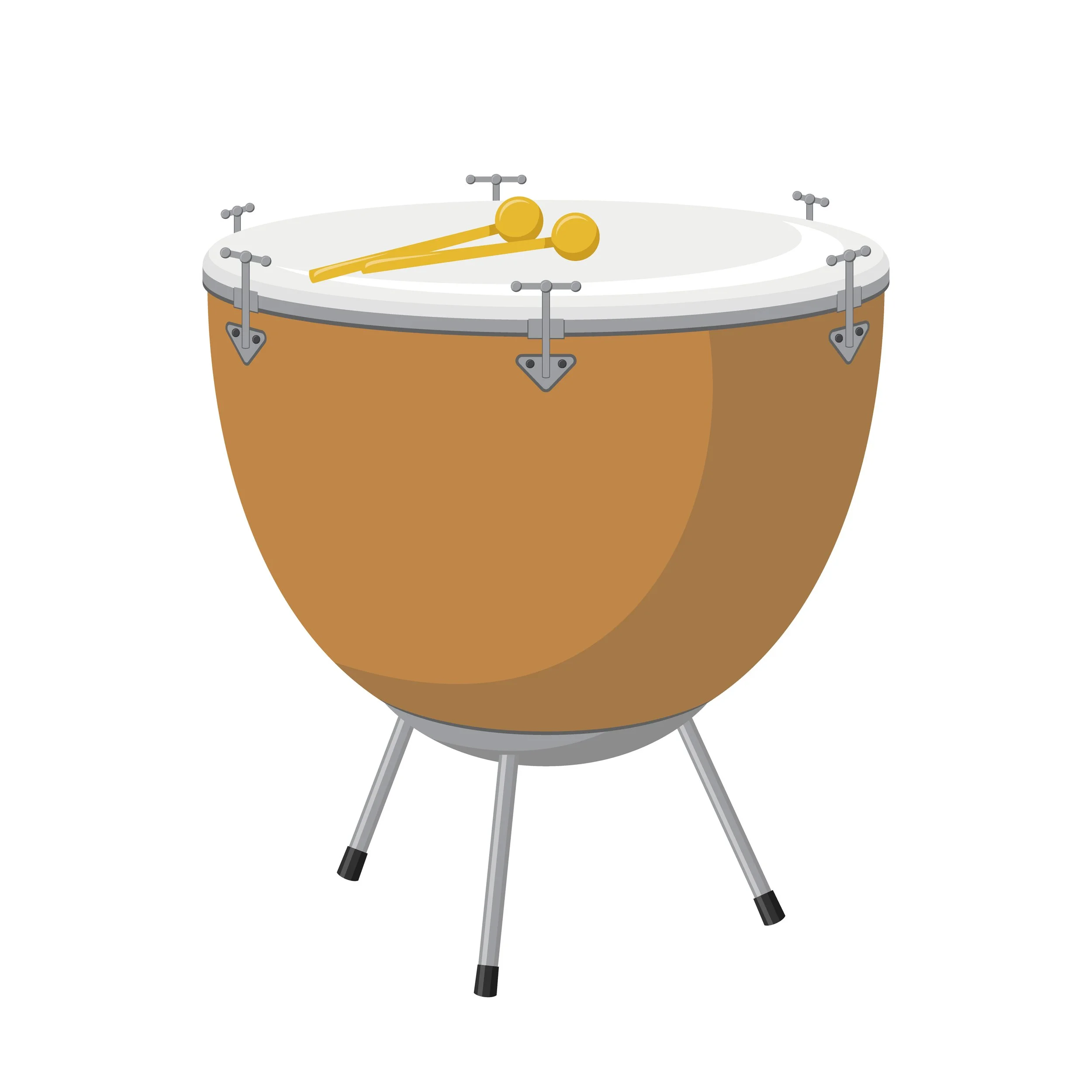
PERCUSSION: Cymbals, drums and xylophone are among the most popular percussion instruments. Percussion adds a lot of flavor and rhythmic support to the orchestra. // PERCUSIÓN: Los platillos, los tambores y el xilófono se encuentran entre los instrumentos de percusión más populares. La percusión aporta mucho color y apoyo rítmico a la orquesta.